
Busy kitchens generate heat, grease, and airborne residue every single day. Over time, those particles settle inside vents and ductwork. That build-up creates serious safety and hygiene risks. Many operators underestimate how quickly contamination develops. Others rely on guesswork instead of clear schedules.
If you manage a commercial kitchen, you must treat ventilation cleaning as essential maintenance. This is even more critical for businesses that rely on industrial vent cleaning in St Andrews, where compliance and inspections remain strict.
A clean extraction system protects staff, customers, and equipment. It also supports airflow and fire safety. Knowing how often to clean depends on usage, not assumptions.
Let us discuss the right approach clearly and practically.
What Builds Up Inside Industrial Kitchen Vent Systems?
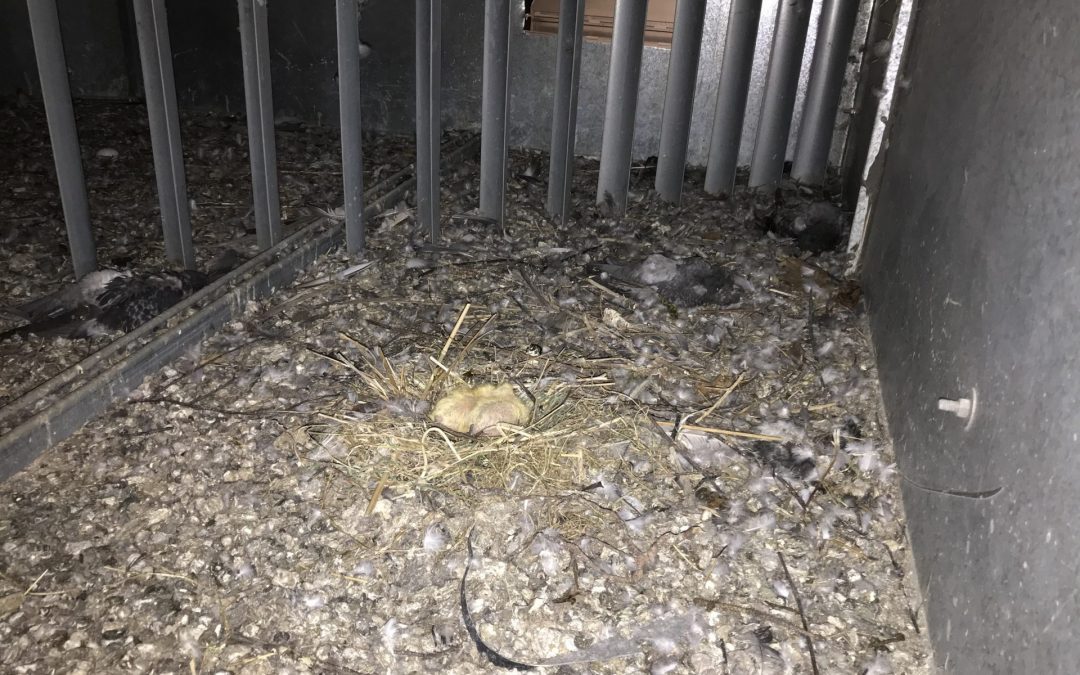
Cooking produces grease vapour, steam, and carbon particles. These contaminants travel through canopies and ducts. Over time, layers form along internal surfaces. That residue thickens faster in high-heat kitchens. Grease build-up restricts airflow and traps heat. It also fuels the spread of fire. Hidden duct sections often accumulate the most residue.
Cleaning Frequency Depends on Kitchen Usage Levels
Every kitchen operates differently. Cleaning schedules should reflect actual usage patterns. Volume, menu style, and cooking methods all matter.
After a short overview, recommended frequencies include:
Heavy-use kitchens
- Operate over 12 hours daily
- Use grills, fryers, and solid fuel
- Require cleaning every three months
Moderate-use kitchens
- Run regular service hours
- Mix boiling, baking, and frying
- Require cleaning every six months
Light-use kitchens
- Limited opening hours
- Minimal grease production
- Require cleaning every nine to twelve months
Many businesses using industrial vent cleaning in St Andrews follow these schedules to stay compliant and safe.
UK Regulations and Compliance Expectations Explained
The regulations set clear expectations for ventilation hygiene. TR19 provides the recognised standard. Fire risk assessments also influence cleaning frequency. Environmental Health Officers check records during inspections.
Key compliance requirements include:
- Documented cleaning schedules
- Post-clean verification reports
- Accessible ductwork for inspection
- Evidence of risk-based frequency decisions
Warning Signs That Vents Need Cleaning Sooner
Even scheduled systems need monitoring. Certain signs indicate urgent cleaning needs. Ignoring these signs rapidly increases the risk. The common warning signals include:
- Persistent grease smells during service
- Reduced extraction performance
- Excessive heat or humidity build-up
- Visible residue around canopies
When these appear, kitchens should arrange industrial vent cleaning without delay to prevent escalation.
Risks of Infrequent Vent Cleaning in Commercial Kitchens
Grease-laden ductwork poses a serious fire hazard. Flames spread rapidly through contaminated systems. Infrequent cleaning also affects hygiene standards. Grease attracts pests and bacteria. Additional risks include operational downtime and enforcement action. Businesses may be closed until rectification is completed.
How Proper Cleaning Supports Safer Kitchen Operations?
A structured cleaning plan supports daily performance. Clean vents improve airflow and temperature control. Staff work more comfortably and efficiently. Well-maintained systems also reduce energy strain on fans. Kitchens experience fewer breakdowns and less emergency disruption.
Every commercial kitchen needs a tailored cleaning plan. Regular maintenance protects safety, compliance, and business continuity. For kitchens relying on industrial vent cleaning in St Andrews, professional guidance ensures the right frequency and documentation. If you want expert support, speak with Vent Clean & Services Ltd. We help industrial kitchens maintain safe and compliant ventilation systems without unnecessary disruption.
Recent Comments